
Are Infrared Heaters Safe for Cleanrooms?
Infrared heaters transfer heat directly to a solid material rather than warming the air around it. When it comes to manufacturing or finishing products in a cleanroom, an infrared heater is one of the best options for process workflows because it provides fast, targeted heat without fans and combustion, and doesn’t disturb the air, all of which can compromise cleanroom airflow.
Cleanroom applications that rely on infrared heating include coating and adhesive curing, electronics and circuit board manufacturing, semiconductor processing, pharmaceutical and lab workflows, and thermoforming and packaging.
What Makes a Heater “Cleanroom” Compliant?
Produces Zero (or Near-Zero) Particulates
The primary consideration for any cleanroom is the number of particulates allowed in the air, as mandated by the International Organization for Standardization (ISO).
Using the right process heater is essential to controlling air quality because many heating elements generate particulates. Heaters that use combustion at any stage, even outside the cleanroom, are likely to introduce high levels of contamination. Switching to electric also isn’t enough because electric heat sources can cause problems in cleanrooms that rely on forced air, stirring up settled particles.
Infrared waves require no fan to reach the target, providing direct heat where it’s needed the most.
Doesn’t Disturb Airflow
Cleanrooms often rely on negative pressure or direct airflow to prevent particles from floating around and settling on products being processed or tested. Many heaters rely on forced air to transfer heat, but maintaining the desired airflow patterns is difficult due to disturbances.
Infrared waves aren’t affected by airflow and don’t rely on forced air to reach the surface in need of heating.
Does Not Volatize or Outgas Compounds
Cleanrooms need accurate, controllable heaters that won’t create hotspots that could cause sensitive solvents and other materials to overheat and generate unwanted gases. However, the heaters also can’t create new compounds or volatize internally, which can be a problem with metal heating elements.
Infrared heaters not only prevent outgassing by minimizing heating of surrounding and non-targeted surfaces, but also usually don’t generate any unexpected particles or gases in operation.
Compatible With Materials Used in the Cleanroom
Infrared waves are only absorbed by certain materials, including:
- Paper and textiles
- Most metals, including coated steel, aluminum, and brass
- Most plastics
- Food and pharmaceutical products
- Coatings, lacquers, inks, and foils
- Most organic materials
Using incompatible materials for treatment tables and other structures prevents accidental heating, ensuring that the infrared waves directly target the products requiring process heating. It’s an adaptable heating method for applications that require precise control, such as circuit board manufacturing.
Smooth Surface Finish
Cleanroom standards mandate smooth, non-porous surfaces to prevent the accumulation of microorganisms and particles over time. Non-shedding surfaces are also a must, so non-reactive, corrosion-resistant materials are essential. Additionally, cleanroom heaters must remain easy to clean and durable enough not to break down into particulates over time. Infrared process heaters meet all of these requirements, especially when made with non-reactive sealed ceramic materials.
Sealed Construction
Open construction heaters may work for less demanding oil and gas process heating, but cleanrooms demand sealed construction that prevents exposure to internal elements that might degrade over time. This type of construction reduces the risk of particulate exposure or service interruptions caused by gases or moisture generated during the process steps.
If a fire or leak leads to particulate issues in the cleanroom, sealed heaters are easily cleaned without the need for removal or replacement. Infrared heaters are generally completely sealed, especially those designed for cleanroom use.
Validated by ISO
ISO 14644-1 classifications apply to cleanrooms regardless of their size, type, or products manufactured and tested in them. The ISO certification levels range from ISO 1 (the strictest) to ISO 9 (the least strict), and infrared heaters can meet particulate output restrictions, depending on the model.
Hi-Watt’s Recommended Cleanroom-Safe Heaters
ULTRAMIC® by Watlow
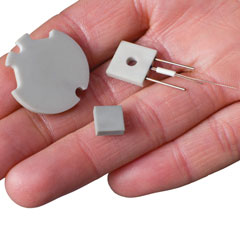
Watlow’s ULTRAMIC® ceramic heaters are built with cleanrooms in mind. The clean, non-contaminating ceramic-covered elements provide superior chemical resistance compared to similar metal process heaters, while still featuring the ultra-fast ramp rate that many specialty manufacturing processes require. Providing consistent heat without particulate generation makes it a good choice for many cleanroom applications, from medication production to semiconductor curing.
Watlow Silicone Rubber Heaters

Flexible silicone rubber heaters from Watlow are like a more adaptable form of jacket, available in a wide range of non-porous, non-shedding designs that wrap around various pressure vessels, containers, and pipelines. The durable silicone and aluminum materials won’t crack or become brittle over time, providing high-cycle lifespans and reducing the chance of contamination in sensitive environments.
RAYMAX Panel Heaters
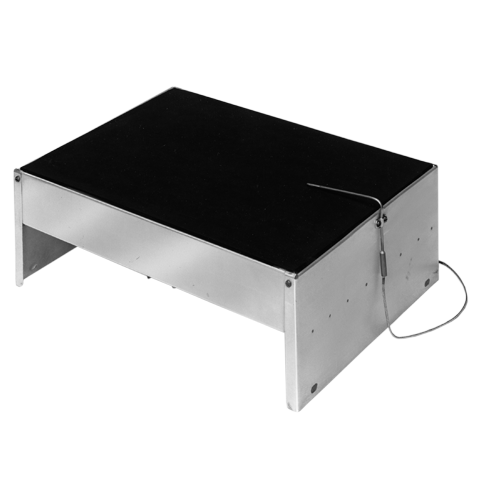
Radiant panels, such as Watlow’s RAYMAX, are good for direct application workflows like thermoforming, circuit board screen-printing, and curing tasks in cleanrooms with less stringent particulate requirements. The solid surfaces provide high heat transfer rates and zoning options for controlled heat exposure. A sealed surface resists contamination of the cleanroom and the heater surface from products that come into direct contact with it.
Tempco Ceramic E-Mitter
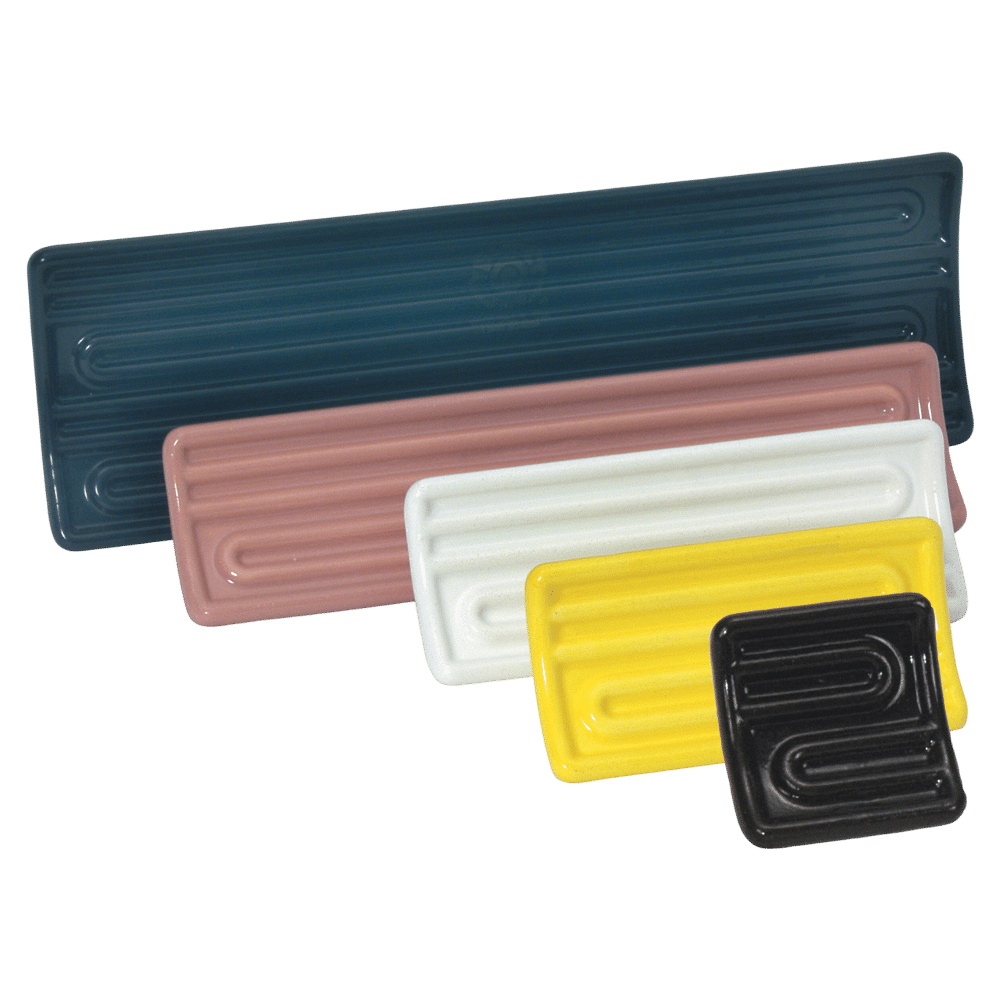
Tempco’s Ceramic E-Mitter is a ceramic infrared heater with embedded resistance wire that prevents off-gassing or particulate release. Choose between single-color models and those with a metamorphosing color change available for a built-in visual safety indicator. These infrared process heaters are highly customizable for a wide range of applications, from near-direct contact to more remote heating needs. The smooth and non-porous ceramic surface meets strict ISO standards, while the ridged design ensures even heat distribution to the target area.
Tempco Cast-In Semiconductor Heater
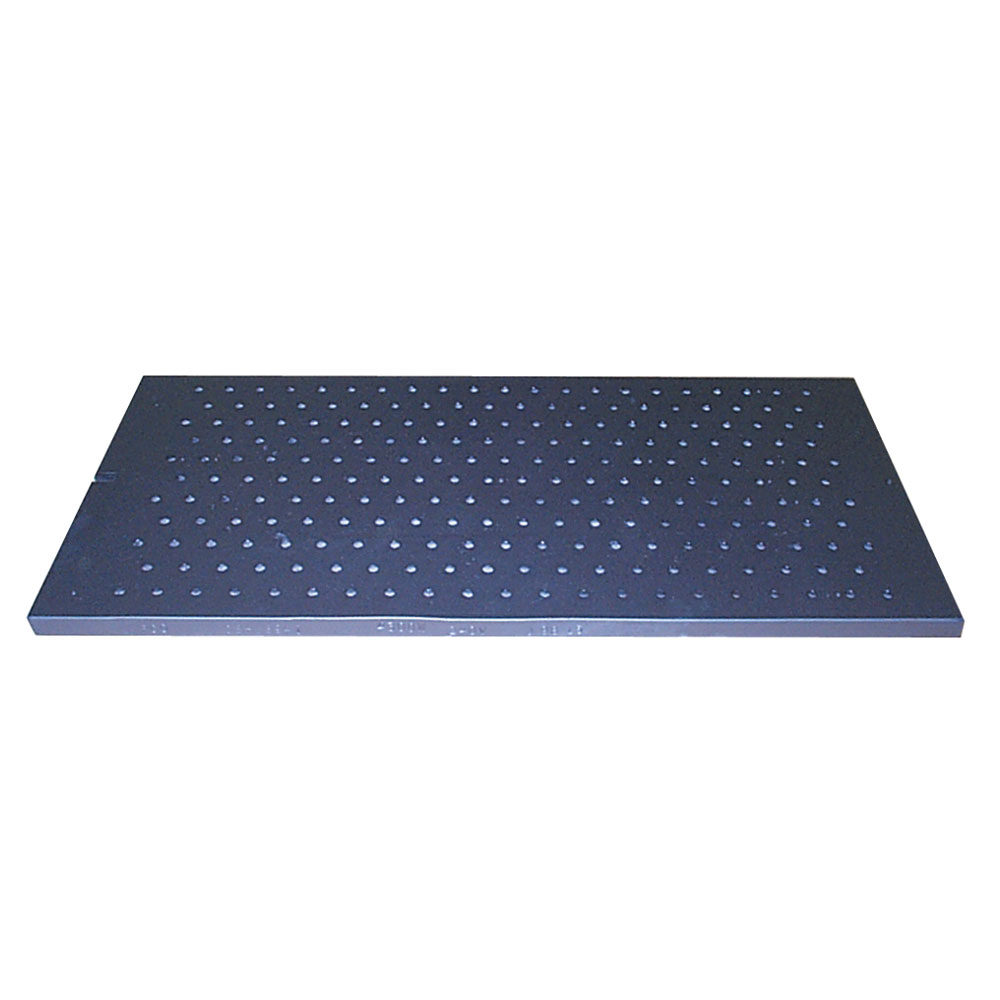
Semiconductor manufacturing requires ultra-precise heat application with the lowest risk of particulate contamination, and that’s where Tempco’s cast-in thermal plates come into play. These heaters can provide both radiant and convection heat from a single unit, saving space and increasing flexibility in your manufacturing capabilities. Its hard-coat anodized surface prevents off-gassing and particulate formation.
Choosing the Right Infrared Heater Is Harder Than You Think
Hi-Watt has worked with customers who assumed that any infrared heater was automatically “cleanroom safe,” but it’s unfortunately not that simple. Electric isn’t automatically clean, even though it does eliminate combustion byproducts. Some of the most common mistakes we see include:
- Choosing the wrong construction. “Cleanroom-safe” infrared heaters need to be sealed or non-shedding, and some designs can degrade over time and generate particulates.
- Ignoring material compatibility; materials absorb infrared energy differently, so if you choose a heater that’s not compatible with what you’re trying to heat, it can lead to uneven heating, and in worse cases, material degradation and damage.
Design a Custom Thermal System
Your thermal system is more than your process heater. If you want better control and precision, you need the right controllers and sensors, too.
Hi-Watt can help you design custom thermal systems based on your application and environment. We’re not just a supplier; our experts will offer configuration and setup assistance, controller tuning, sensor installation guidance, and ongoing services, including calibration and field repairs.
Visit our website to learn more about our impact, or contact us today to speak with one of our experts.